Entradas

Mostrando las entradas con la etiqueta Emotional intelligence

🧭 NOT EVERYTHING IS “FEELING BAD”

Imagen
Many people, when trying to explain how they feel, use a general phrase: “I’m not okay.” It is a valid expression, but too broad. It can mean sadness 😔, fear 😨, anger 😠, frustration 😣, or a combination of all of them. When we do not differentiate what we feel, discomfort becomes more confusing and harder to manage. Being sad is not the same as being afraid. Feeling angry is not the same as feeling frustrated. Each emotion carries a different message and requires a different response. Learning to distinguish them is not an intellectual exercise; it is a way of gaining inner clarity 🧠. Distinguishing sadness allows us to understand loss Sadness appears when we experience loss, disappointment, or separation. It may arise from the absence of someone, from a dream that did not come true, or from a change we did not want. Its energy is slow and heavy, often inviting silence and reflection 🌧️. When sadness is not recognized, it may turn into irritability or persistent fatigue. However, ...

Empathy – Learning to Put Myself in Someone Else’s Shoes

Imagen
Sometimes we judge too quickly. We see a reaction, a word, or an attitude and draw conclusions without knowing what is happening inside the other person. During adolescence, when emotions are often intense, this happens very often. But… what if, before responding or criticizing, we tried to understand? How would our relationships change if we could look at a situation through someone else’s shoes? This is where empathy comes in. This post invites you to discover what empathy is and how to develop it to improve your relationships and emotional well-being. 1. What Is Empathy? Empathy is the ability to understand how another person feels, even if we don’t think the same way or agree with them. It does not mean justifying everything someone does, but recognizing that their emotions are real. Being empathetic means trying to understand before judging. “Empathy is not agreeing; it is understanding.” 2. Empathy Is Not Weakness Some people think that being empathetic means being soft or lettin...

Regulating Emotions Without Suppressing Them: Recognizing What I Feel and Choosing How to Respond

Imagen
There are moments when an emotion appears with such intensity that it seems to take control of everything: the body, the thoughts, and our decisions. Anger, sadness, fear, or frustration arise suddenly, and before we realize it, we have already reacted in a way we later regret. Then phrases like “I’m too sensitive,” “I can’t control my emotions,” or “I always react badly” appear, increasing guilt and confusion. But… does emotional regulation really mean turning emotions off or repressing them? Is feeling an emotion the same as reacting impulsively? What happens when the body moves faster than the mind? How can we learn to recognize what we feel without letting it dominate us? These questions are essential to stop fighting our emotions and start relating to them in a healthier way. This post will help you understand what emotional regulation is, why recognizing emotions is the first step, and how to learn to respond with more calm and awareness—without denying what you feel or letting...

💸 The Impact of Emotions on Financial Decisions

Imagen
How impulses can affect your finances—and how to manage them 🌪️ Have you ever bought something you didn’t need just because you were sad, stressed, or simply bored? You’re not alone. Emotions influence how we manage money much more than we realize. 🔹 When we’re euphoric, we underestimate risks. 🔹 When we’re anxious, we avoid important decisions. 🔹 When we’re sad, we look for comfort in spending. 🎯 Emotions can be great allies… or our worst advisors. Recognizing how they affect our financial choices is the first step to taking back control. 💡 How do emotions affect your finances? Impulse buying: Sadness, anxiety, or stress can lead us to spend in order to feel better—at least temporarily. Avoiding key decisions: Fear of failure or financial insecurity can make us postpone important steps like saving or investing. False sense of entitlement: Saying “I deserve it” can become a dangerous excuse if we use consumption as emotional reward. Emotional spending due ...

💖🧠 Emotional Organization: Putting Our Feelings in Order

Imagen
Naming, Sorting, and Processing Emotions 🌪️🧺 Sometimes it’s not your planner that’s messy... it’s your heart. There are days when everything feels tangled inside—sadness, anger, fear, or confusion—and you don’t know where to begin. The good news is that we can also get emotionally organized . Not to eliminate how we feel, but to understand it, hold space for it… and little by little, heal. 🌿 What Is Emotional Organization? It’s the process of recognizing, sorting, and making sense of what we feel. It’s not about suppressing emotions, but rather about creating inner order , so emotions don’t overwhelm or paralyze us. Organizing our emotions helps us: 🔹 Understand why we react the way we do. 🔹 Make clearer decisions. 🔹 Communicate our needs more effectively. 🔹 Feel more at peace with ourselves. 🔎 Step 1: Name What You Feel 🗣️ Saying “I’m not okay” isn’t enough. When you can give your emotion a specific name , you’ve already taken a big step. 🔸 Is it sadness...

🌿✨ Anxiety and Decision-Making: When Fear Paralyzes ✨🌿

Imagen
Anxiety is often an uncomfortable companion when we need to make important decisions. How many times have we felt that knot in our stomach when choosing between two paths? That sense of doubt, fear of making a mistake, and the urge to foresee every possible consequence can lead us to a state of paralysis. 🚩 Why does anxiety appear when making decisions? When we decide, we take risks. We cannot control the future, and uncertainty generates anxiety. The fear of making the wrong choice, of regretting it, or being criticized can cause us to postpone important decisions or make rushed choices under pressure. 🔎 Signs that anxiety is affecting your decisions: Difficulty thinking clearly. Constantly analyzing pros and cons. Asking too many people for their opinions. Postponing the decision repeatedly. Choosing something just to get it over with. 💡 Some keys to manage this anxiety: 🔹 Accept that there’s no perfect decision. Every choice involves gains and losses. ...

Frustrations II.

Imagen
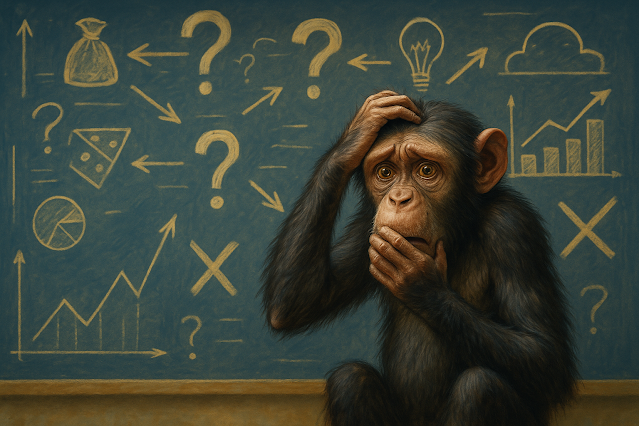
To play and never lose, cannot be. As a proposal for healthy attitudes towards frustrations, it is important to first recognize that one cannot always achieve what one wants, which is an element of tolerance towards these situations. - Adversities are a part of life. - If you don't want to face adversities in life, don't be born. - When going to fight, carry two bags: one for winning and one for losing. - Playing and losing can certainly happen. Every failure is temporary, after which new opportunities always arise. - When one door closes, others open. - God never closes a door without opening two. Failure is an inevitable step on the path to success. - What once felt like a hurricane, we now see as the wind opening new paths. - By making mistakes, we get closer to success. It is also a source of necessary experiences for achieving the maturity that life demands. - He who doesn't fall doesn't get up. - He who hasn't faced trials knows little. (Ecclesiasticus: 34,10)...

Frustration I.

Imagen
Hitting the Wall with Your Head Won't Make a Hole Frustration arises from suffering over something one desires but has not yet obtained, or has achieved but not in the expected way. In this state, negative attitudes can emerge such as evading responsibilities and blaming others, which makes finding solutions difficult. - A bad dancer blames the floor. Due to an intolerance for pain, an individual may give up and abandon the pursuit of their goal, even when there is still a possibility of achieving it. - Woe to those who cannot bear patiently! What will they do when life tests them? The lack of self-control caused by frustration can lead to unjustifiably attacking others or oneself, which creates new problems. - If you lose your head in difficult situations, you will only make things worse. - He who despairs in trouble only increases it. (Panchatantra) - Despair remedies nothing. One might also, mindlessly, persist in the same ineffective procedures, without any evidence that they w...